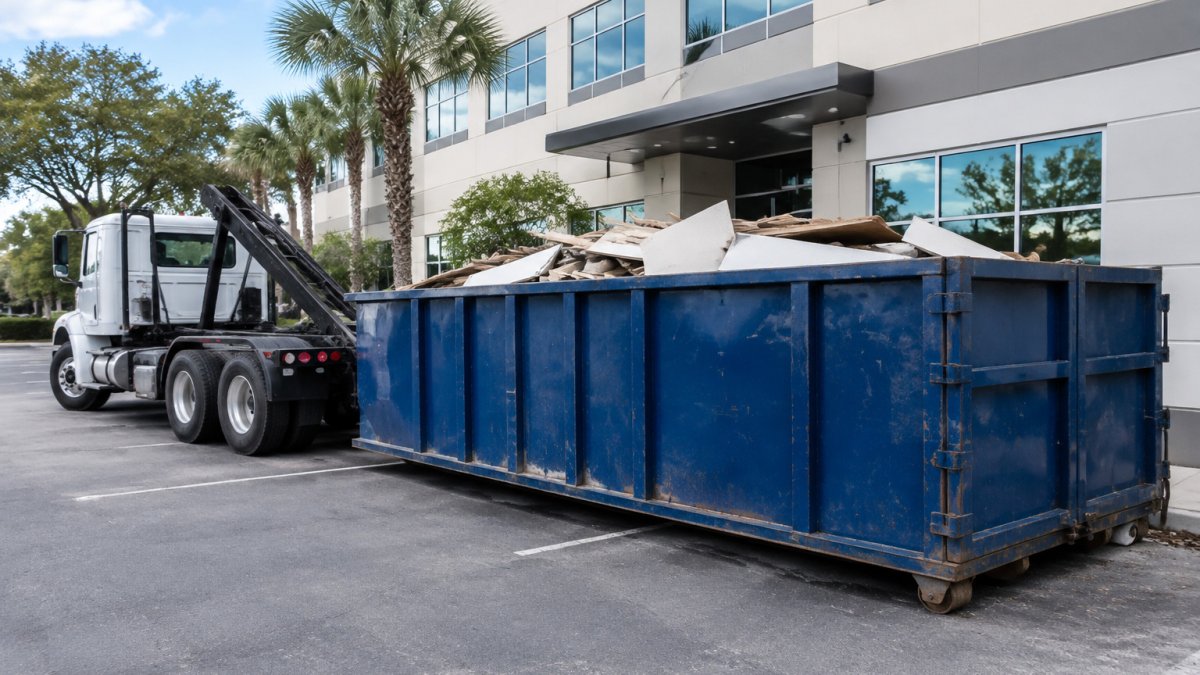
 blog
Dumpster Rental for Commercial Property Managers: What to Know
Last Updated: November 12, 2026
Quick Summary
Commercial dumpster rental is priced by base rental, delivery, pickup, disposal tonnage and overage fees, so transparent pricing separates providers. Size the container by debris type, project scope and rental period, and choose permanent placement for steady waste flow or monthly rental for variable volume.
- The dumpster and roll-off container rental market hit USD 7.4 billion in 2026, per Fact.MR.
- Rental fees for commercial accounts have climbed an average of 6% annually since 2020.
- Three variables decide sizing: debris type, project scope and rental period.
- Commercial dumpster rentals generate 45% of long-term recurring revenue for independent haulers.
- Permanent placement fits constant waste flow; monthly rental fits seasonal or variable volume.
Table of Contents
- Choosing the Right Dumpster Size for Commercial Properties
- Commercial Dumpster Rental Cost: What Drives the Total
- Permanent vs Monthly Dumpster Rental for Multi-Site Portfolios
- Frequently Asked Questions
Choosing the Right Dumpster Size for Commercial Properties
Sizing a commercial dumpster comes down to volume, weight, and how long the container sits on site. The dumpster and roll-off container rental market hit USD 7.4 billion in 2026, according to Fact.MR's dumpster rental market report, and the wrong container size costs real money. A property manager who orders a 30-yard box for a job that needed a 20 pays for air and may still need a second haul.
Three variables decide dumpster rental sizing for commercial sites: debris type (heavy concrete or shingles hit weight limits first; light bulky waste fills the box first), project scope (a tenant build-out differs from a roof tear-off), and rental period (size up for multi-phase jobs).
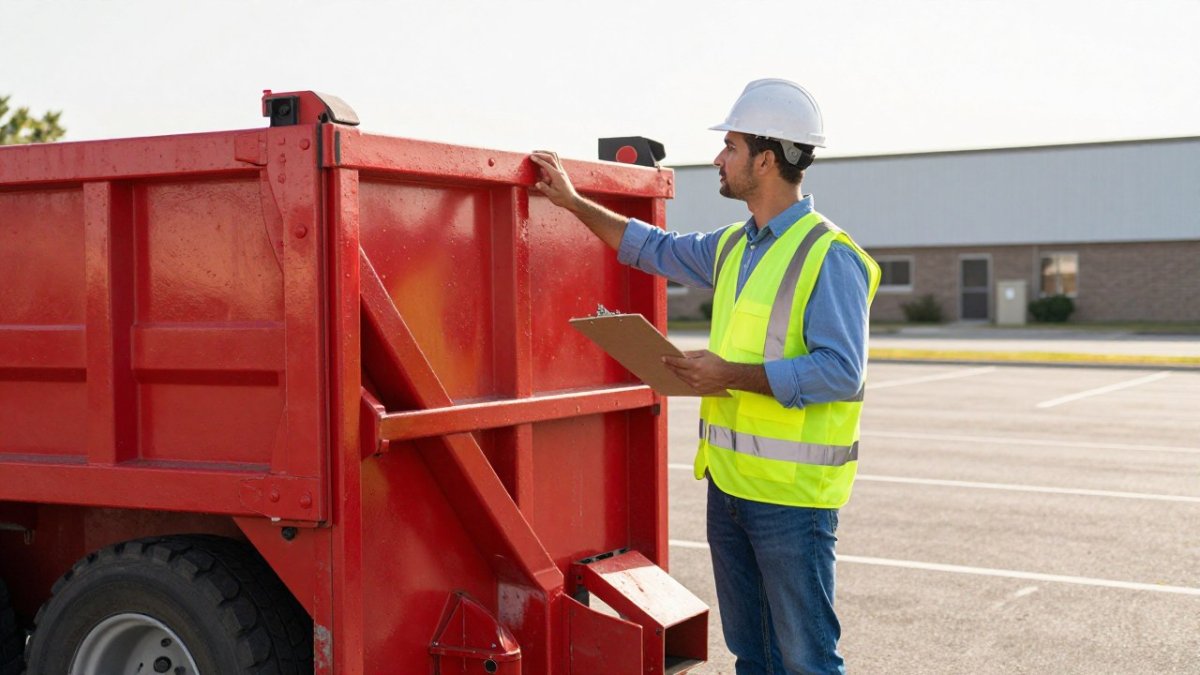
Review available containers and schedule delivery through dumpster rentals in Florida; for tenant build-outs and demolition debris, the commercial construction waste management service covers larger projects with heavier loads.
Commercial Dumpster Rental Cost: What Drives the Total
Commercial dumpster rental cost is a stack of line items: base rental, delivery, pickup, disposal tonnage, and overage fees. Rental fees for commercial accounts have climbed an average of 6% annually since 2020, per West Coast Waste Removal's rental statistics, making transparent pricing the difference between a clean budget and a surprise invoice.
Four factors move the total most: container size and rental period, weight and disposal fees (billed by tonnage), delivery distance and site access, and permit requirements for containers on public right-of-way. The IBISWorld industry data on dumpster rental shows steady revenue growth across the sector, and transparent pricing is the clearest way to separate providers. Our pricing is transparent, with no hidden fees. Check current rates and request a quote on our Florida dumpster rental page.
Permanent vs Monthly Dumpster Rental for Multi-Site Portfolios
Permanent dumpster rental suits a site with steady, predictable waste flow; monthly dumpster rental fits portfolios where volume spikes and drops across locations. The distinction matters because commercial dumpster rentals generate 45% of long-term recurring revenue for independent haulers, according to West Coast Waste Removal's rental data, so providers structure contracts around recurring pickup schedules.
| Option | Best For | Contract Style | Pickup Frequency |
|---|---|---|---|
| Permanent placement | Sites with constant waste flow | Ongoing rental agreement | Fixed recurring pickup |
| Monthly rental | Seasonal or variable volume | Month-to-month | Scheduled or on-call |
| Temporary rental | One-time cleanouts, remodels | Short-term | Single haul or as-needed |
If your portfolio includes ongoing renovations, remodeling debris removal covers recurring renovation waste across multiple properties. Once you have compared permanent and monthly terms, contact us to set up service across your sites.
Commercial waste management breaks down when container size, cost structure, and pickup schedule are decided separately. Brielastone & Dumpsters LLC handles all three together: same-day or next-day delivery, transparent pricing with no hidden fees, and a locally owned team that answers the phone. Get started with Brielastone & Dumpsters LLC and keep every commercial site on schedule.
Frequently Asked Questions
What size dumpster does a commercial property need?
Size depends on the job. Small maintenance cleanouts usually fit a 10- to 15-cubic-yard container, while larger property cleanouts and demolition debris call for 20 to 40 cubic yards. Check load capacity and weight limits before booking, since heavy debris like concrete fills a container faster than bulky waste.
Can a property manager arrange a permanent dumpster rental?
Ask whether a permanent or monthly arrangement fits your sites, and confirm pickup frequency and any additional fees before booking.
What should property managers ask before booking a dumpster rental?
Ask about transparent pricing, overage fees, delivery and pickup windows, and permit requirements for on-site placement. Confirm what waste is accepted, since hazardous materials need separate handling, and ask how the hauler supports waste diversion and recycling reporting. For multi-site portfolios, ask how scheduling works across every property before the first delivery.
